Introduction
The restaurant industry is evolving faster than ever. Customer expectations, online ordering, delivery platforms, and rising operational costs have made traditional restaurant management methods outdated. Today, successful restaurants are those that adopt digital restaurant management systems to streamline operations and improve customer experience.
This is where modern platforms like RestroBox are transforming how restaurants operate.
The Challenges Restaurants Face Today
Running a restaurant is no longer just about great food. Owners face multiple challenges daily:
-
Managing dine-in, takeaway, and online orders simultaneously
-
Handling inventory shortages or wastage
-
Coordinating kitchen and front-desk staff
-
Integrating delivery platforms like Foodpanda and Careem
-
Understanding sales data and customer behavior
Without a centralized system, these challenges lead to errors, delays, and lost revenue.
What Is Digital Restaurant Management?
Digital restaurant management means using a single, integrated software platform to manage all restaurant operations, including:
-
POS & billing
-
Order management
-
Inventory tracking
-
Kitchen operations
-
Customer engagement
-
Analytics & reporting
Instead of relying on manual registers or multiple disconnected tools, restaurants gain full control from one dashboard.
Key Benefits of Going Digital
1. Faster & Accurate Order Processing
Digital POS and order systems reduce human errors and speed up billing. Orders go directly to the kitchen via Kitchen Order Tickets (KOT), ensuring clarity and faster preparation.
2. Real-Time Inventory Control
With automated inventory tracking, restaurants can:
-
Monitor stock levels in real time
-
Get low-stock alerts
-
Reduce food wastage
-
Improve supplier planning
3. Seamless Omni-Channel Operations
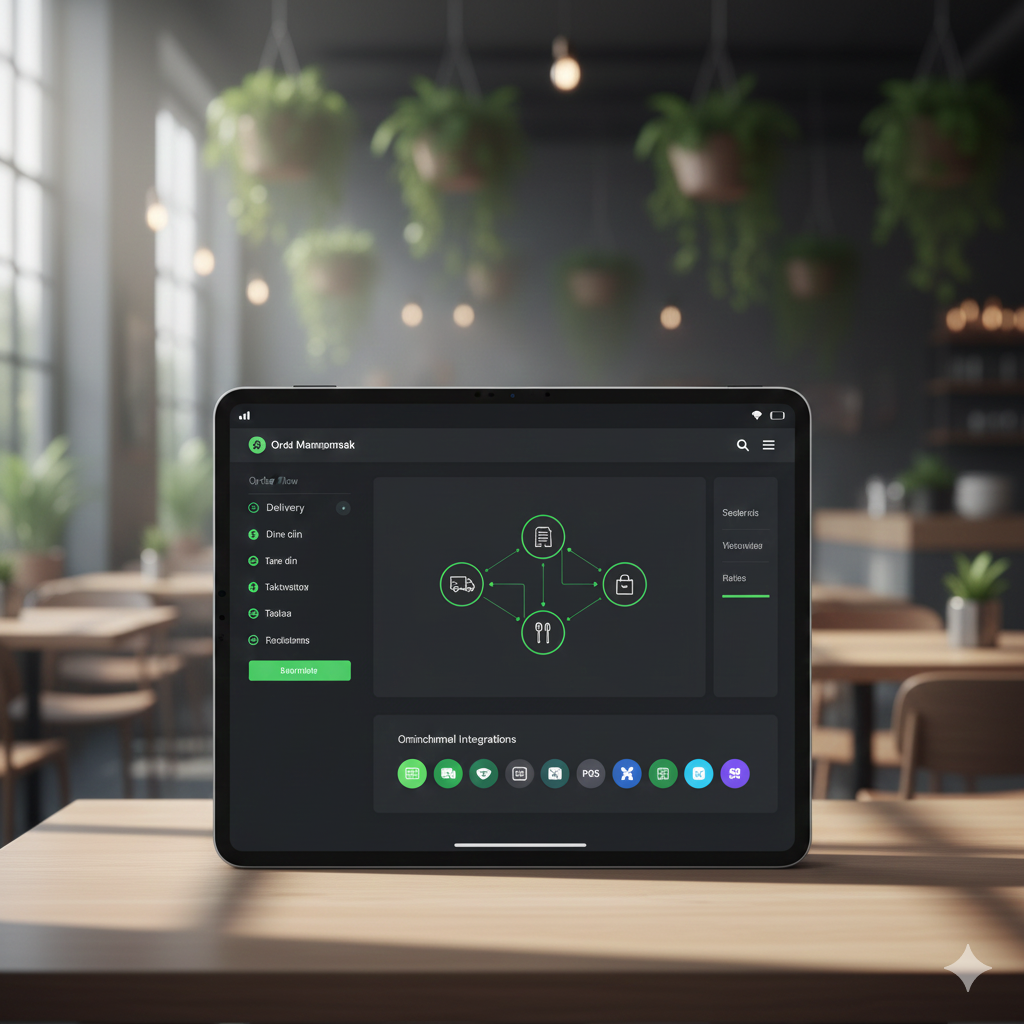
Modern customers order from everywhere — dine-in, website, WhatsApp, or delivery apps. Omni-channel systems allow restaurants to manage all orders from one place, eliminating confusion.
4. Better Customer Experience
Features like:
-
Table reservations
-
Contactless QR ordering
-
Customer display screens
enhance transparency and improve the dining experience.
5. Data-Driven Decisions
Real-time analytics help owners understand:
-
Best-selling items
-
Peak hours
-
Staff performance
-
Customer preferences
This data empowers smarter business decisions.
Why Digital Transformation Is No Longer Optional
Restaurants that fail to digitize risk falling behind competitors. Customers expect speed, convenience, and transparency. Digital systems are no longer a luxury — they are a necessity for survival and growth.
Conclusion
The future of the food industry belongs to restaurants that embrace technology. Digital restaurant management platforms like RestroBox simplify operations, improve customer satisfaction, and drive profitability.
The question is no longer “Should I go digital?” — it’s “How fast can I adapt?”